
By Glen Kitayama
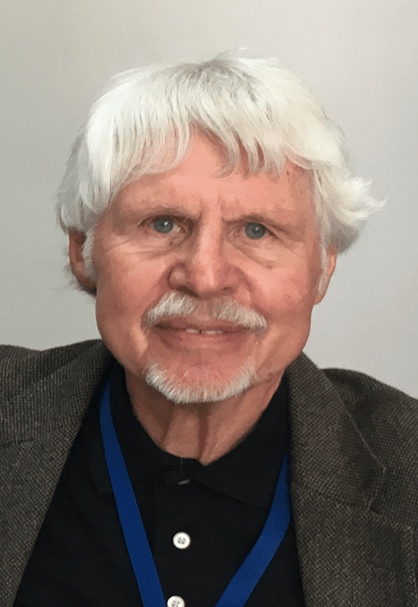
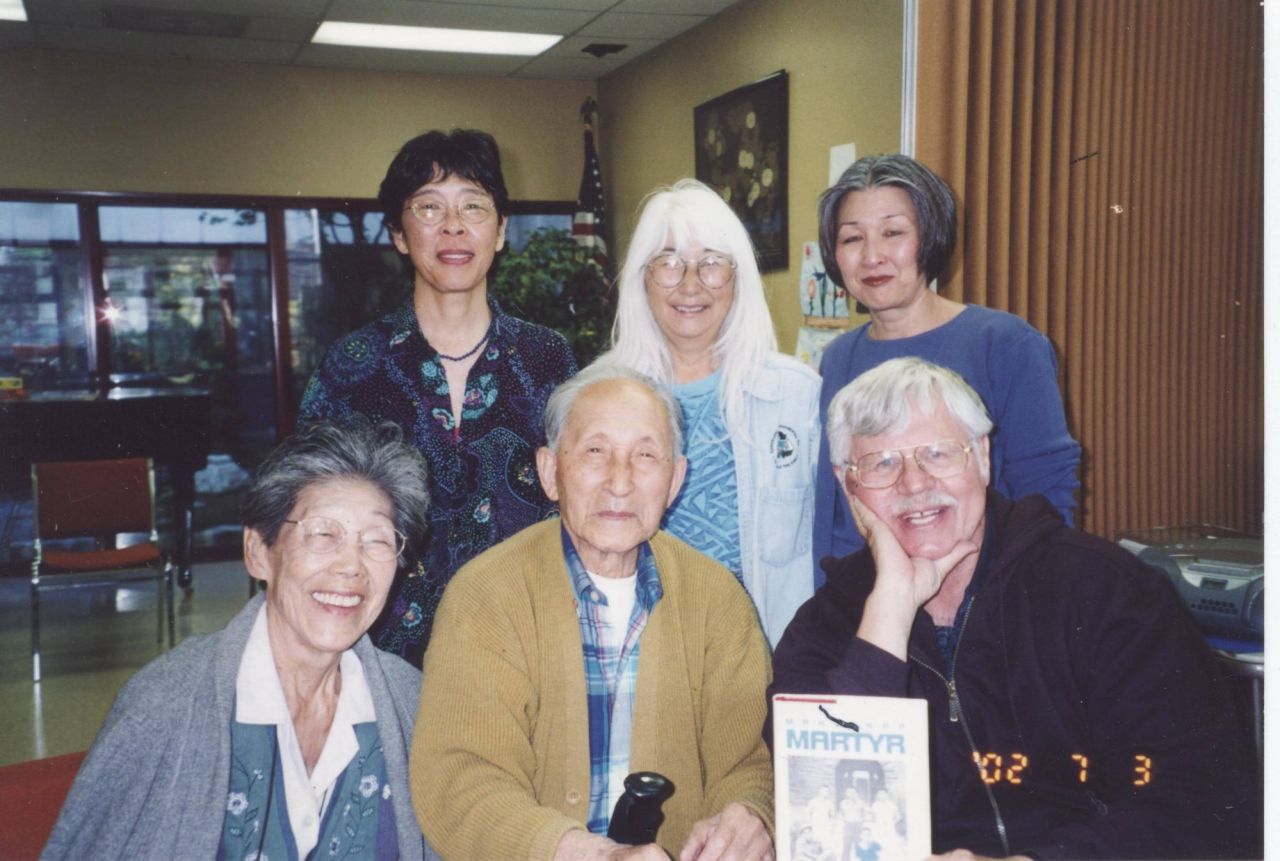
The Manzanar Committee mourns the loss of Art Hansen, Emeritus Professor of History and Asian American Studies at California State University, Fullerton (CSUF). Professor Hansen is best known for his pioneering work in developing the new field of oral history as the founding director of the Japanese American Project of the CSUF Oral History Program. As part of the project, Professor Hansen collaborated with fellow historian Betty Mitson and Sue Kunitomi Embrey of the Manzanar Committee to interview Harry Ueno, a key figure in the Manzanar Uprising (a/k/a “Manzanar Riot”). This oral history became the core of their books Manzanar Martyr: An Interview with Harry Y. Ueno and Voices Long Silent: An Oral History Inquiry into the Japanese American Evacuation.
Through Professor Hansen’s leadership, the Japanese American Project conducted over 100 interviews with former inmates and others about the World War II incarceration. Unlike traditional history that focused on a passive outsider’s perspective, Professor Hansen turned the lens inside out and told the story of the Japanese American incarceration from the perspective of the Nikkei community. Through Hansen’s research, Japanese Americans became active participants in their own history. Events just didn’t just happen to us, we were living and breathing people who resisted oppression and acted in ways that were understandable considering the tragedy of forced incarceration. Through his work, Professor Hansen understood the complexities of the Nikkei community as more than just the “Model Minority” story. To Hansen, the story of the Japanese American incarceration would be incomplete without the voices of those who battled injustice, namely, the No-No Boys, Heart Mountain Fair Play Committee, and the participants in the Manzanar Uprising.
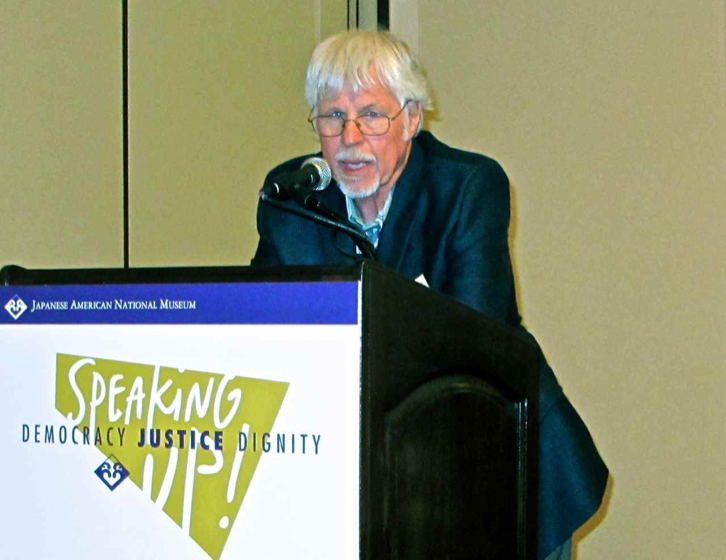
Historian Brian Niiya of Densho and the Manzanar Committee noted: “Art is among the group of scholars who has turned that narrative [Japanese Americans being the “quiet Americans”] on its head, so that today, we as a community recognize that there were many responses by Japanese Americans to the roundup and incarceration, including significant resistance. Chronicling the story of that resistance has made up a large part of Art’s scholarship, whether writing about the unrest at Manzanar and Gila River, draft resistance, or many other topics. He has done so while working closely with the Japanese American community, whether with organizations like the Manzanar Committee or Japanese American National Museum or with individual families.”
Professor Hansen reflected on his work: “My work has embraced the full extent of Japanese American history, society, and culture, [but] the lion’s share has riveted upon the protest, dissent, and resistance of Japanese American individuals and groups in relation to the history and legacy of the World War II Japanese American experience,” Hansen noted. “This is rooted in my impassioned belief that, contrary to popular belief, Japanese Americans possess a robust tradition of active opposition to unbridled, unjust, and unprincipled authority.”

Bruce Embrey, Co-Chair of the Manzanar Committee, has known Professor Hansen for most of his life: “Art was a significant force in the life of the Manzanar Committee for the better part of 50 years. He was a consistent ally, friend, and colleague of my mother’s from the early 1970s, offering advice and support at every turn. Art was a vital part of the Committee’s early years, discussing, debating and reviewing the Committee’s positions on any number of issues. In fact, Art helped in the crafting of the wording of the State Historic Landmark in 1972 and was also a key participant in the Manzanar Committee’s critique of Farewell to Manzanar adding to the heated exchanges between John Korty (the director) and many Committee members.”
Embrey continued: “Art’s steadfast and dogged determination to capture the stories of the “unquiet Nisei” – the resisters and principled individuals who fought back during and after camp – placed him squarely on the side of those who broke with the mainstream, sanitized version of the forced removal. Art wasn’t an armchair critic or detached observer. He was a passionate and skilled intellectual who contributed so much to our understanding of EO 9066 and its impact on our community.”
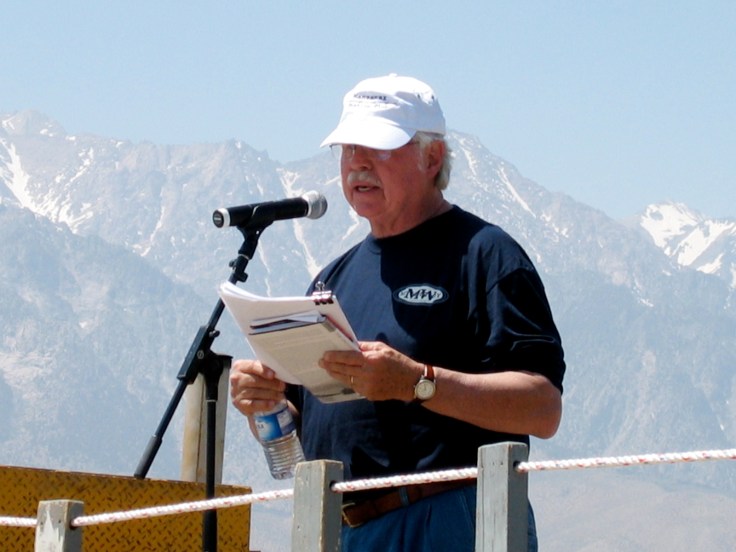
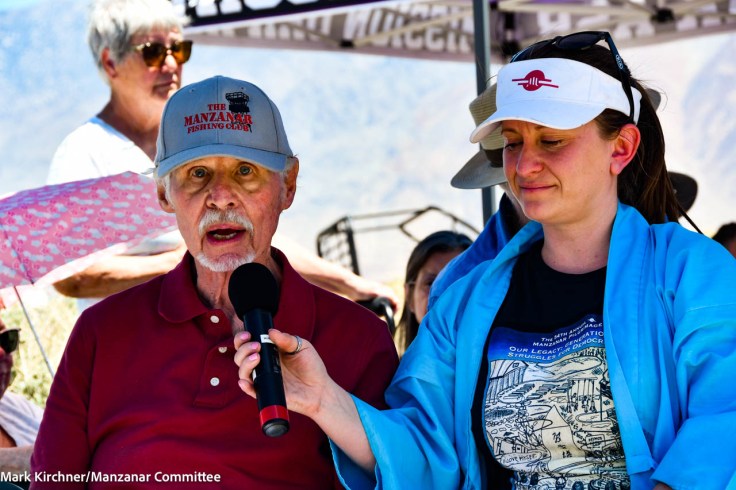
Embrey remembered: “Art always said that Manzanar, despite his prolific and extensive work on so many subjects, was a ‘staple’ in his life. In fact, Art rarely missed coming to the site over the past 50+ years – especially for the annual Pilgrimage. He consulted on the exhibits, spoke at our Pilgrimage and was so proud to be awarded the Sue Kunitomi Embrey Legacy Award for his outstanding and trailblazing contributions to the Nikkei community and the redress movement. Art was one of the most consequential historians of JA history. His friendship and his work made the Manzanar Committee and community stronger. And for that Art deserves our deepest gratitude and appreciation.”
In the introduction to Professor Hansen’s Barbed Voices: Oral History, Resistance, and the World War II Japanese American Social Disaster, the late Professor Lane Ryo Hirabayashi noted: “Not only is [Professor Hansen’s work] full of invaluable insights into the Nikkei experience, built from the ground up; it also evidences an irreplaceable data set as well as what is an enduring approach to carrying out social history. In other words, Hansen’s corpus presents the most detailed account yet available in terms of Japanese American studies of how to actually carry out social history in a meticulous, insightful, and reflexive…fashion.”
As much as Professor Hansen is admired and respected for his work in academia, many in the Nikkei community will always remember him for his generosity and encouragement. As a graduate of the UCLA Asian American Studies Center, I wrote my MA thesis on the National Coalition for Redress/Reparations (NCRR) and gave it to the group for potential publication. They sent it to Professor Hansen to review and asked him what they could do with the manuscript. Art returned it and told them not to change a thing. In his opinion, it was ready. Eventually, this became the foundation for the book, NCRR: The Grassroots Struggle for Japanese American Redress and Reparations. Art relayed the story of the NCRR book to me when I finally met him in 2019 at his book signing for Barbed Voices. I went to his book signing to meet the legend and left with him telling me how much he admired my work.
I’m not alone in being the recipient of his overwhelming kindness. Brian Niiya noted that he chuckled after reading all of Art’s book reviews that were recently published by Nichi Bei in A Nikkei Harvest: Reviewing the Japanese American Historical Experience and Its Legacy. According to Niiya, all of Art Hansen’s reviews were “always informative, are almost all positive, as if he didn’t want to discourage anyone from reading any well-intended work, even if flawed.” To me, this is the Art Hansen that I will always remember. He was an intellectual giant who used his influence to uplift others around him. Our hearts are heavy today, but the world is better because Art Hansen was more than an academic. He was one of us. Rest in Power, Professor Hansen.
Glen Kitayama is a retired teacher and member of the Manzanar Committee.

 Manzanar Committee
Please post your comment on this story below